venuslynn55's pick · Updated November 2026
The Body Keeps the Score: Brain
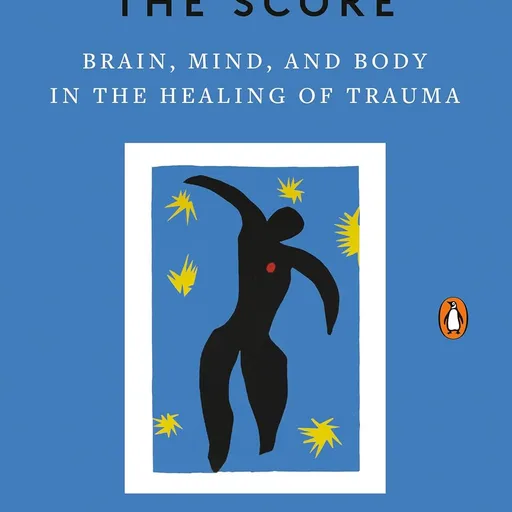

The Body Keeps the Score is for readers who want a serious, research-minded introduction to trauma and its effects on the brain, mind, and body. It may suit someone trying to understand why trauma can show up in daily life as more than a memory problem, and it may also be useful for a reader who wants a book that brings together psychology, neuroscience, and therapy in one place rather than treating them as separate subjects.
One reason people consider it is that the title promises a broad view of healing, not just a narrow clinical one. That can be appealing if you want a book that explains how trauma can affect attention, emotion, physical tension, and relationships, while also pointing toward different paths of care. For someone sorting through articles, videos, and scattered advice, a single long-form source can be easier to work through and compare against other reading.
The main thing to verify is whether this is the right level of intensity for you. Books about trauma can be detailed, emotionally heavy, and sometimes triggering, especially when they move from general explanation into examples and clinical discussion. Some readers want that depth. Others may prefer a gentler entry point or a shorter overview first. It is also worth checking whether you are looking for a clinical resource, a general audience book, or a starting point for further research, because those are not always the same thing.
The evidence posture here is simple: this page does not rely on firsthand use, and it should not pretend otherwise. Any recommendation has to rest on the book's stated subject matter, its place in the trauma literature, and the reader's own goals. If you are comparing it with other titles, look at how technical the writing is, how much space it gives to science versus personal reflection, and whether the structure matches the kind of learning you want.
In the end, this may be a good fit for a reader who wants a substantial book on trauma and is comfortable with a serious tone. It is less about casual self-help and more about understanding the topic in depth. If that is the kind of reading you want, it is worth considering; if you want something lighter or more immediate, it may be better to keep looking.
Amazon product links on this guide are not currently affiliate links. Neither venuslynn55 nor Buyer Field Guide earns an affiliate commission from them.
See current price